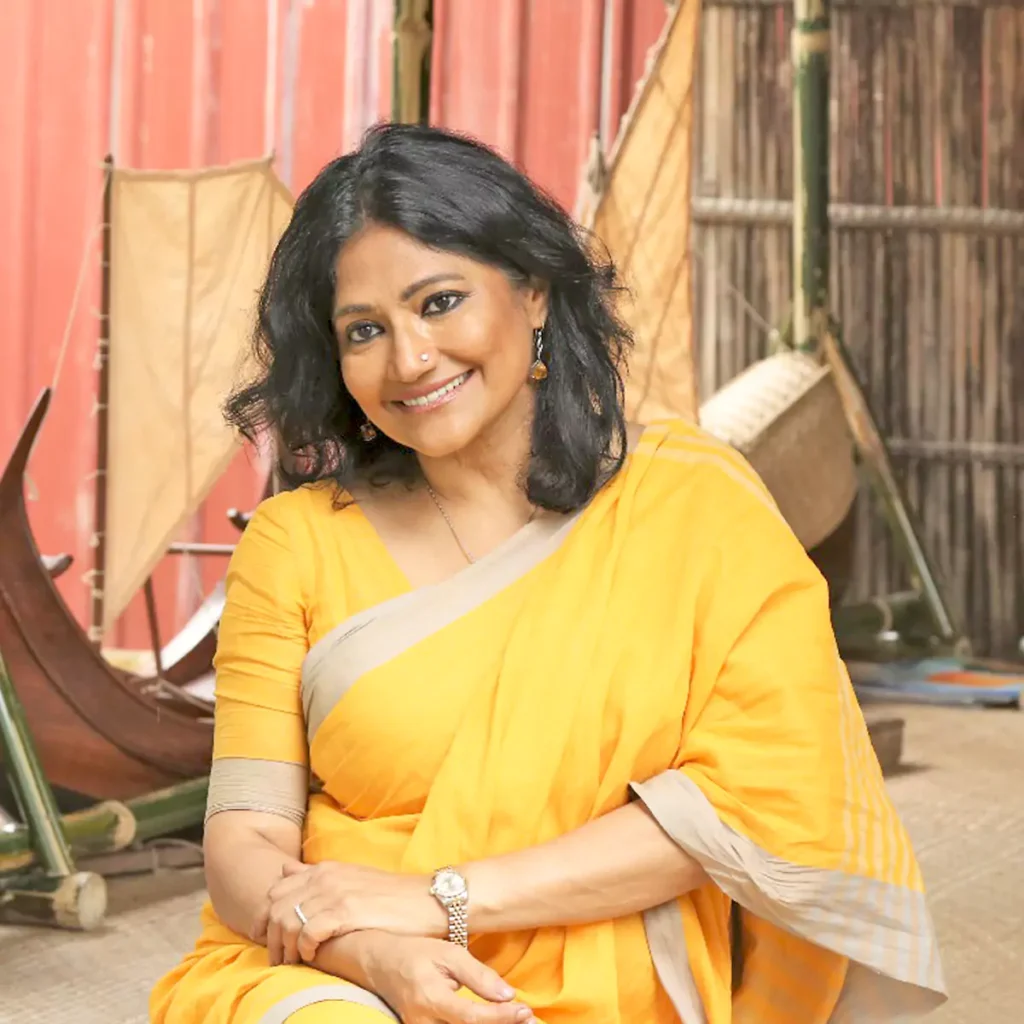
Runa Khan, Building Systems That Serve the Forgotten
Leadership is not always loud. Sometimes it is patient, practical, and rooted in service. Runa Khan’s journey is a strong example of leadership that prioritises lasting change over visibility. She is the Founder and Executive Director of Friendship, a Bangladesh-based social purpose organisation founded in 2002 to serve remote and climate-vulnerable communities.
Friendship began with a bold but simple idea: reach people who had been left out of mainstream service delivery. Over time, that idea grew into an integrated model that combines healthcare, education, climate adaptation, sustainable economic development, disaster management, good governance, and cultural preservation. Rather than treating poverty, exclusion, and vulnerability as separate issues, Khan’s approach has focused on the systems that connect them.
One of the clearest examples of that model is Friendship’s work in healthcare. The organisation is widely known for its floating hospitals and mobile services that bring medical care to hard-to-reach riverine and char communities in Bangladesh. Friendship says its healthcare system includes floating hospitals on the Brahmaputra and a land hospital in the coastal belt, helping deliver services to communities that are otherwise difficult to reach.
What makes Runa Khan’s leadership distinctive is not only the scale of the work, but the philosophy behind it. She has consistently framed dignity as central to development, arguing that the goal is not dependency, but capacity. That thinking runs through Friendship’s programmes, which aim to strengthen communities so they can adapt, recover, and build resilience over time.
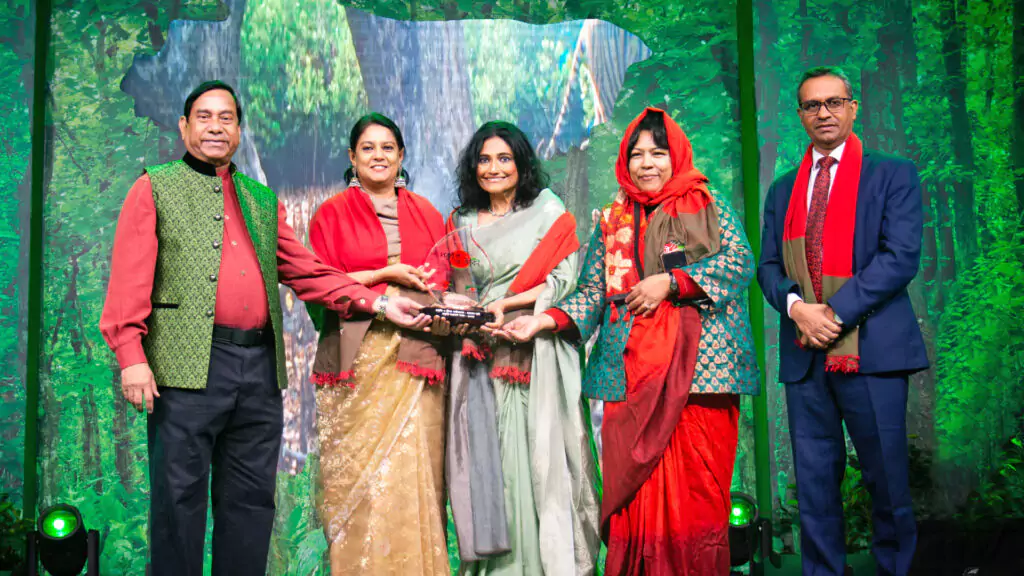
Her work has also received international recognition. Friendship was named a 2025 Earthshot Prize finalist in the “Fix Our Climate” category, with the Earthshot Prize describing the organisation as one that supports vulnerable communities across Bangladesh through health, education, livelihoods, public services, and disaster preparedness. Runa Khan herself has been recognised through honours including the Rolex Award for Enterprise, the IDB Prize for Women’s Contribution to Development, and the Schwab Foundation Social Entrepreneur Award.
Leadership lessons from Runa Khan
-
Sustainable impact requires systems thinking.
-
Leadership is service, not status.
-
Empowerment creates long-term resilience.
-
Local solutions can carry global relevance.
Runa Khan’s story is a reminder that leadership is not only about scale or recognition. It is about building structures that outlast the leader and continue serving people long after the spotlight moves on.